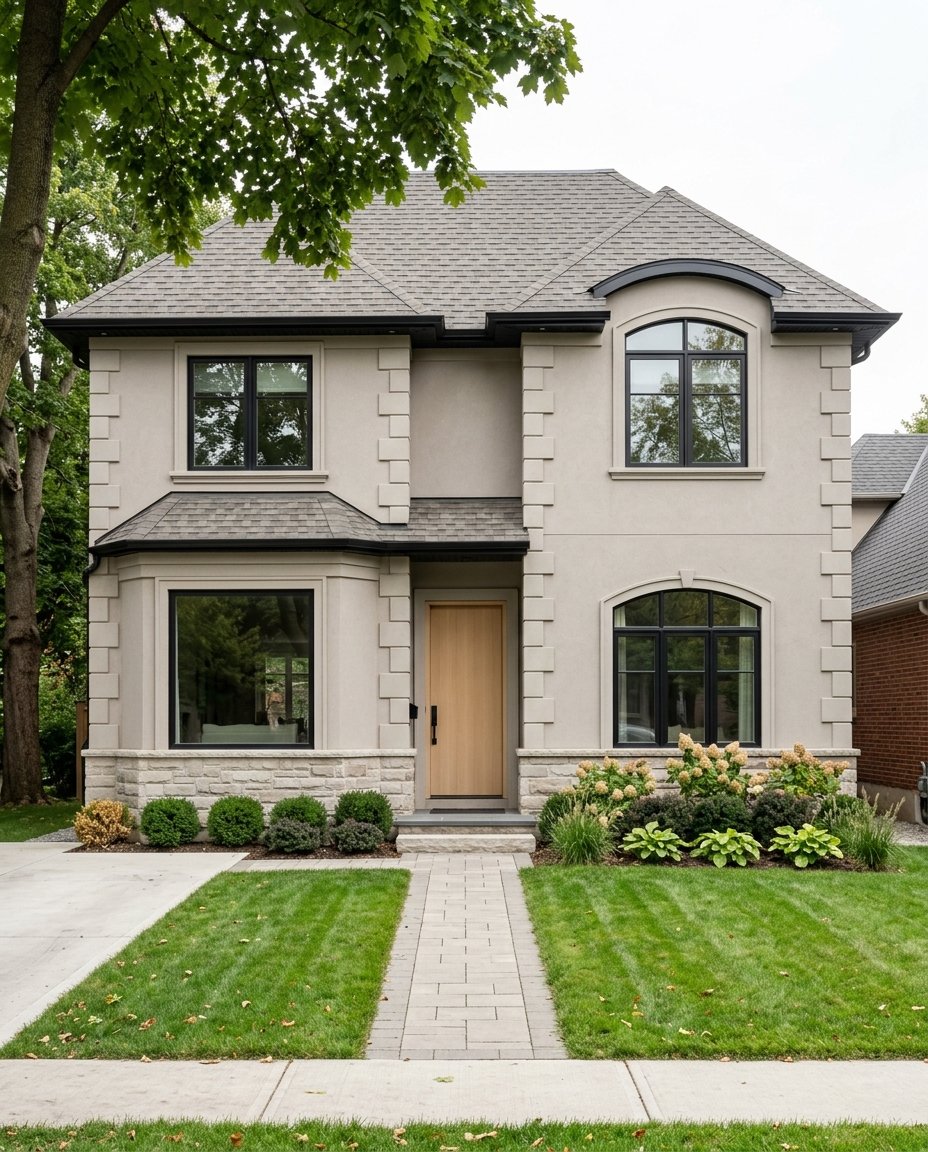
Relocating to Oakville: Your Neighbourhood-Level Guide
April 2, 2026
April 2, 2026
Thinking about a move to Oakville? One of the biggest surprises for many buyers is how different Oakville can feel from one area to the next. A lakefront street, an established mid-town suburb, and a newer north Oakville community can offer very different home styles, commute patterns, and day-to-day routines. This guide will help you understand Oakville at the neighbourhood level so you can narrow your search with more confidence. Let’s dive in.
A helpful way to understand Oakville is to think of it in three broad layers.
South of the QEW, you will find many of Oakville’s mature lakefront and heritage areas. Between the QEW and Dundas, the town shifts into established suburban neighbourhoods with a more traditional family-oriented layout. North of Dundas, Oakville continues to grow with newer communities, mixed-use planning, and expanding transit links. According to the Town of Oakville’s new communities overview, these newer areas are planned with trails, bike paths, green space, and neighbourhood centres intended to be within about a five-minute walk of most homes.
That geography matters because lifestyle, housing stock, and even school logistics can change depending on where you focus. The Halton District School Board planning summary notes that mature areas south of the QEW generally have stable or declining enrolment, while areas north of Dundas are still absorbing growth and may see portables or boundary changes as new schools open.
Oakville is not one single price point. It is a premium market, but the budget range within town is wider than many relocators expect.
The TRREB Q3 2025 Oakville community report shows just how varied the town can be. Morrison averaged $3.55M, Old Oakville $2.66M, Bronte Creek $1.47M, Glen Abbey $1.34M, West Oak Trails $1.22M, Rural Oakville $1.11M, River Oaks $986K, and Uptown Core $943K.
That spread is useful when you are relocating because it gives you a clearer way to shortlist neighbourhoods. If your priority is waterfront character, your price expectations will look very different than if you are targeting newer housing stock or a more transit-oriented location.
If you picture classic Oakville, you may be thinking of Old Oakville. The Old Oakville Heritage Conservation District stretches south of Robinson Street to the lakefront from Sixteen Mile Creek to Allan Street and includes early vernacular homes, 19th-century cottages, and larger turn-of-the-century houses.
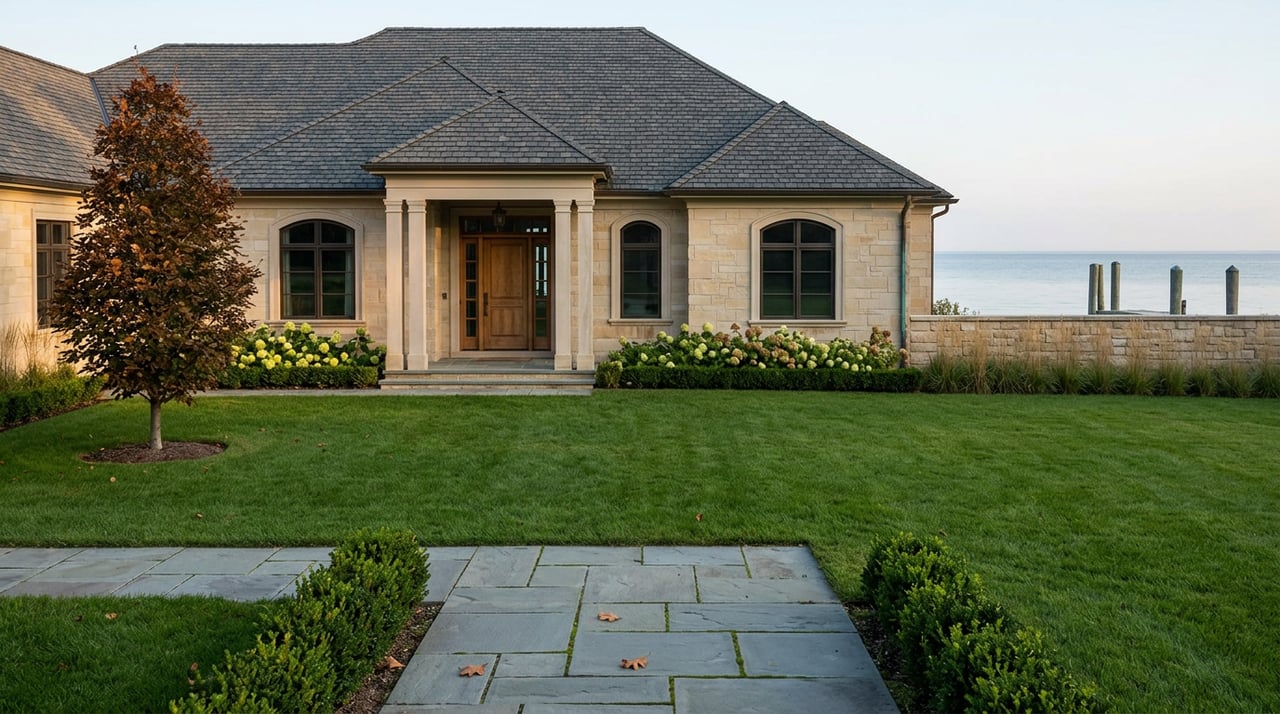
This area is tied closely to Oakville’s waterfront identity. It also includes places like Dingle, Lakeside Park, and the Oakville Museum at Erchless Estate. In Q3 2025, Old Oakville averaged $2.66M, placing it near the top of Oakville’s pricing spectrum.
For many buyers, the appeal here is not just the housing. It is the combination of heritage setting, walkable downtown access, and proximity to the harbour and lake.
Bronte offers a different kind of waterfront experience. It feels more village-like and may appeal to buyers who want a strong connection to the lake without targeting Old Oakville pricing.
The Bronte Harbour and Bluffs Cultural Heritage Landscape includes Bronte Harbour, Bronte Bluffs, and Berta Point. The town’s waterfront planning also highlights Bronte Beach Park, Fisherman’s Wharf, and Bronte Heritage Waterfront Park. Bronte Beach Park is especially notable because it is the only sand shoreline along Oakville’s boundary.
In Q3 2025, Bronte averaged $1.32M, while nearby Bronte Creek averaged $1.47M. For relocators, Bronte often lands on the shortlist when the goal is waterfront access, a distinct local identity, and a somewhat different budget profile than Old Oakville.
Glen Abbey is one of Oakville’s best-known established suburban areas. It tends to attract buyers looking for more interior space, practical daily convenience, and access to recreation.
A useful local anchor is the Glen Abbey Community Centre, which includes a pool, twin-pad arena, fitness centre, and library branch. In Q3 2025, Glen Abbey averaged $1.34M, placing it in Oakville’s upper-mid suburban range.
For many households, Glen Abbey works well because it balances a residential feel with strong amenities and access to Oakville’s wider trail network.
If you want established neighbourhoods with a practical, everyday focus, River Oaks, West Oak Trails, and College Park are worth close attention. These areas often appeal to buyers who prioritize space, parks, trails, and a more straightforward suburban rhythm.
Oakville’s trail network is a major asset here. The town highlights routes including the Waterfront Trail, Sixteen Mile Creek Trail, Bronte Creek Trail, Crosstown Trail, and Joshua’s Creek Trail, and Visit Oakville notes the broader system exceeds 200 km. West Oak Trails connects directly into that network through the Sixteen Mile Creek West Bank Trail information station.
Q3 2025 average prices came in at $986K for River Oaks, $1.22M for West Oak Trails, and $1.07M for College Park. If you are relocating and want a more established suburban setting without entering Oakville’s top waterfront price bands, these neighbourhoods often make a practical starting point.
North Oakville is very different from south Oakville in both feel and planning. These newer communities are designed around mixed-use centres, varied lot sizes, green space, and a more transit-supportive street network.
The Town of Oakville’s planning materials describe about 900 hectares of natural heritage system land in north Oakville, along with phased residential growth over roughly 20 years. For buyers who want newer homes, contemporary layouts, and an area still evolving, this part of town can be especially appealing.
In Q3 2025, Rural Oakville averaged $1.11M. That has made it a common entry point for buyers who want newer housing stock but are not shopping in Oakville’s highest-priced lakefront segments.
Uptown Core and Midtown Oakville are especially relevant if you are thinking about convenience, density, and future growth. The town is reviewing Uptown Core as a growth area with housing, commercial uses, parks, transit, and amenities, while Midtown Oakville is being repositioned as a mixed-use, transit-supportive complete community.
Uptown Core averaged $943K in Q3 2025, making it one of the more accessible entry points within Oakville. For some buyers, that creates a strong value proposition, especially if newer housing types or a lower-maintenance lifestyle are part of the plan.
If schools are part of your move, Oakville is a town where exact address checks matter. Catchments can vary by property, and boundaries can change over time.
The HDSB local school finder allows you to search by address and also flags active boundary reviews. The Halton Catholic board offers a similar tool, and both systems note that maps may change annually.
This is especially important in growth areas. The HDSB planning summary states that neighbourhoods north of Dundas may face accommodation pressures and boundary changes until enough new capacity is built. The board also announced Harvest Oak Public School on Wheat Boom Drive is scheduled to open in September 2025, with a planned Oakville NE #1 secondary school also identified in the growth response strategy.
Oakville also includes French-language public options, including École élémentaire du Chêne and École secondaire Gaétan-Gervais. If language programming is part of your search, it is worth confirming transportation and address eligibility early.
Oakville’s commute picture depends a lot on where you live and how often you need rail access.
The main GO anchors are Oakville GO at 214 Cross Ave. and Bronte GO at 2104 Wyecroft Rd., both with Oakville Transit connections. Oakville GO also lists VIA Rail service. For buyers who commute east or west, those stations often become a key part of the neighbourhood decision.
Transit coverage has improved in newer parts of town. Oakville Transit’s on-demand service now covers areas including north Oakville and Palermo West/Bronte Creek, and Route 37 Glenorchy connects north Oakville to Uptown Core Terminal. Oakville also notes that a completed GO trip can trigger a free local Oakville Transit ride, while GO’s One Fare integration supports connections with local systems including Oakville Transit and MiWay.
If you want a car-light lifestyle, lakeshore communities still tend to feel more rail-oriented. That said, newer north Oakville communities are more workable for transit users today than they were even a few years ago.
When you are relocating, it helps to narrow your search by lifestyle first and then refine by price, housing type, and commute.
Here is a simple way to frame the shortlist:
This kind of framework can save you time. Instead of trying to tour all of Oakville at once, you can focus on the parts of town that best match how you want to live.
Relocating to Oakville is easier when you have a neighbourhood strategy, not just a list of listings. If you want tailored guidance on where to focus based on your budget, commute, and lifestyle goals, connect with Amy Bray and Associates for a more informed, concierge-level search experience.
Experience a seamless real estate journey with Amy and Alex. We handle every detail with care and integrity, ensuring a smooth process. Contact us today to start your real estate journey.