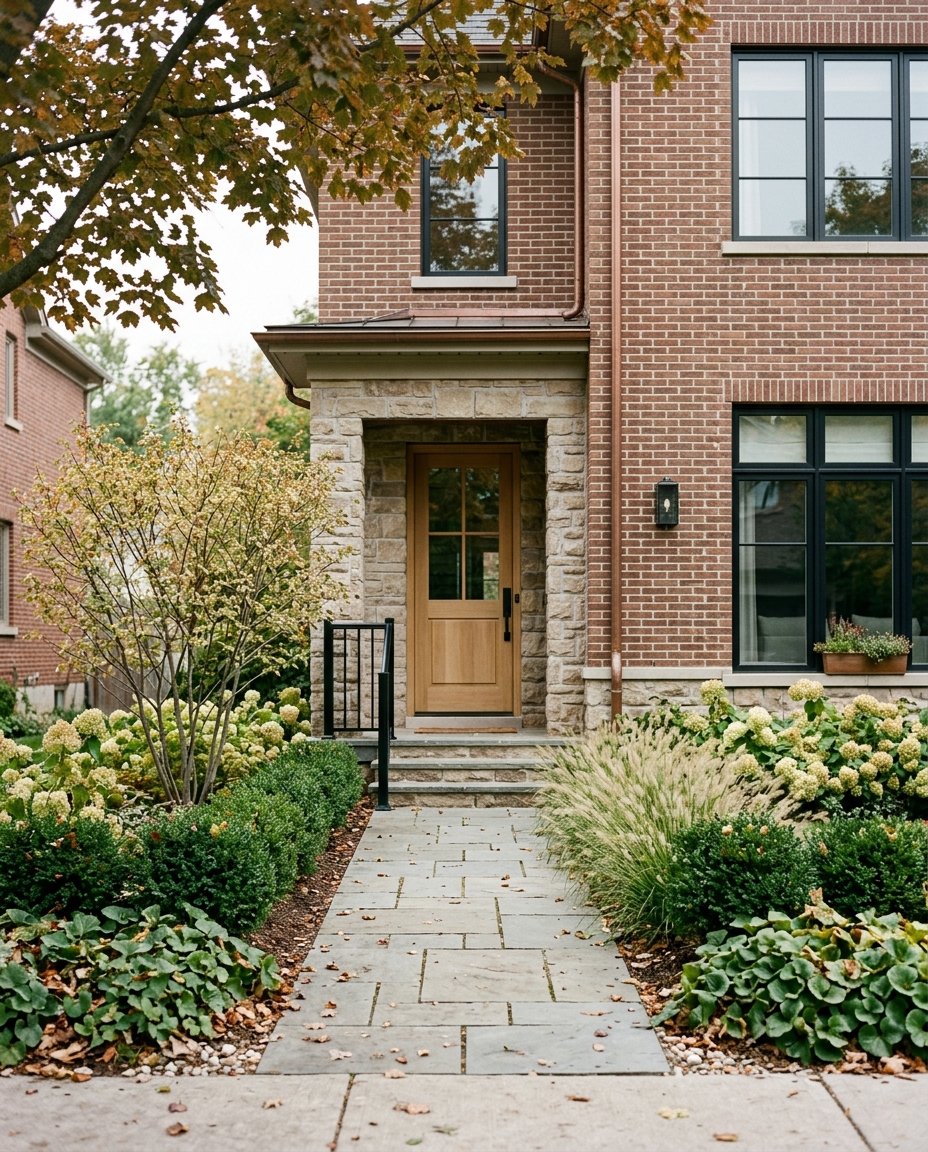
Is a River Oaks Townhome Investment Right for You?
May 28, 2026
May 28, 2026
If you want an Oakville address but need a more practical entry point, River Oaks deserves a serious look. This is one of those neighbourhoods that can work for two very different goals at once: buying your first home and buying a rental property that still makes financial sense on paper. In this guide, you’ll see where River Oaks townhomes sit on price, what supports demand, and what details matter most before you buy. Let’s dive in.
River Oaks is best understood as a middle-ground Oakville market. It offers a mix of townhomes and detached homes, and the neighbourhood profile points to a largely owner-occupied community with housing built across several decades rather than one single wave of development.
That mix matters if you are a first-time buyer or investor. You are not looking at a one-note housing stock or a tiny niche market. Instead, you are looking at an established Oakville pocket with a broad buyer and renter base.
Wahi estimates River Oaks has a population of 24,160 and an average household income of $185,537. Its age mix also leans toward households looking for practical space, with 25% of residents ages 0 to 19, 21% ages 35 to 49, and 22% ages 50 to 64.
For you, that supports a simple takeaway: River Oaks appeals to people who want room to live, not just a place to sleep. That can be helpful whether you plan to live in the townhome yourself or lease it to tenants looking for a longer-term fit.
As of mid-May 2026, River Oaks townhouses had a median sold price of $825,000 over the last 30 days. Public listing examples ranged from about $649,900 to $1,879,000, which shows that product type, condition, size, and fee structure can create a very wide pricing band.
Detached homes in River Oaks had a median sold price of $1,378,500, with asking prices in a roughly $1.349 million to $1.83 million range. That is important context because it shows how townhomes can serve as a more accessible route into the neighbourhood.
Compared with Oakville-wide benchmarks, River Oaks sits below the broader market on both townhomes and detached homes. Wahi reports an Oakville-wide townhouse median of $1,042,500 and a detached median of $1,629,495.
If you are a first-time buyer, that relative discount may make River Oaks one of the more realistic ways to enter Oakville without leaving established neighbourhoods behind. If you are an investor, lower entry pricing can improve the math, especially when you compare it with nearby areas.
River Oaks is not a distressed submarket, and it is not exceptionally tight either. Wahi characterizes it as a balanced market with 4 months of inventory and 28 days on market.
Oakville overall reads softer by comparison, with 6 months of inventory and 35 days on market. That suggests River Oaks is comparatively more liquid than the broader town market, while still giving buyers room to evaluate options carefully.
For you, that means strategy still matters. Pricing, presentation, condition, and monthly carrying costs can all influence how quickly a property moves and how much competition it draws.
For many first-time buyers, River Oaks can hit a useful sweet spot. You may get more practical living space than a smaller condo product, but at a lower entry point than a detached home in the same area.
The neighbourhood also offers everyday amenities that support daily life. The Town of Oakville lists River Oaks Community Centre at 2400 Sixth Line, with twin-pad ice, a fitness centre, indoor track, squash and racquetball courts, and multi-use rooms.
Outdoor access is another plus. Town trail mapping shows the Munn's Creek and Shannon Creek Trail in the River Oaks area, with links toward the Sixteen Mile Creek trail system.
There is also support from nearby mixed-use planning. Oakville describes the adjacent Uptown Core as a place for living, shopping, working, and leisure, which adds convenience and helps widen the area’s appeal.
For investors, River Oaks offers a combination that is not always easy to find in Oakville: lower entry pricing than many established nearby pockets, plus rental demand supported by family-sized housing needs. That does not mean every listing is a strong deal, but it does mean the neighbourhood is worth underwriting carefully.
Oakville’s 2025 Housing Needs Assessment shows the primary rental market grew to 5,698 units in 2024, up 10.9% from 2023. Even with that growth, the town still had a 3.2% vacancy rate and continued to rely heavily on the secondary rental market.
That matters because secondary rental supply includes rented condominiums, basement suites, and rental units within houses. The same report estimates up to 11,082 renter households relied on the secondary rental market in 2021.
Vacancy figures also point to tighter conditions for larger units. Oakville reported 2-bedroom vacancy at 2.4% and 3-plus-bedroom vacancy at 1.1%, which supports the case for family-oriented rental demand.
Recent River Oaks rental listings show townhomes around C$2,650 to C$5,200 per month, with a detached lease example at C$5,000 per month. Those are broad ranges, so you still need to evaluate each property on layout, condition, location within the neighbourhood, and monthly costs.
If you are investing, start with simple math before you get attached to a property. At River Oaks’ townhouse median sold price of $825,000, a monthly rent of C$2,650 implies about a 3.9% gross yield.
At C$3,500 per month, that gross yield rises to about 5.1%. On the detached side, a median sold price of $1,378,500 with rent at C$5,000 per month implies about a 4.4% gross yield.
These are gross figures only. They do not include property taxes, financing, vacancy, repairs, insurance, or any condo fees.
That is why River Oaks should be viewed through two lenses at once: purchase price and ongoing monthly drag. A townhome that looks cheaper at first glance can become less attractive if fees are high or reserve-fund risk is not properly understood.
This may be the most important distinction in River Oaks. The cleaner comparison is often not townhome versus detached. It is condo townhome versus freehold townhome.
A condo townhome usually comes with monthly common expenses. According to the Condominium Authority of Ontario, those fees can cover common elements, reserve-fund contributions, cleaning, maintenance, and management services.
A freehold townhome shifts more of the maintenance burden directly to you as the owner. That can mean fewer monthly fees, but it can also mean more direct responsibility for upkeep and repairs.
In River Oaks, both forms exist, so this is not a minor technical detail. It can materially change your monthly carrying costs, your risk profile, and your long-term flexibility.
Recent River Oaks condo-townhome examples show monthly fees in a rough range of C$308 to C$548. Specific public examples include fees of C$488.25, C$407, C$467, and a C$308 HOA fee on a newer stacked-townhome listing.
That spread is large enough to change how affordable a home feels each month. It can also materially affect an investor’s yield.
For first-time buyers, fees can reduce the amount of mortgage payment you are comfortable carrying. For investors, they can narrow cash flow and reduce your margin for vacancy, repairs, or tenant turnover.
The Condominium Authority of Ontario notes that buyers should pay close attention to fee allocation, the corporation’s declaration, and the annual budget. It also flags special assessments and chargebacks as possible extra costs.
That leads to a practical due diligence checklist:
If you are investing, run your numbers conservatively. If you are buying your first home, make sure the monthly payment still feels manageable after taxes, fees, insurance, and routine maintenance.
River Oaks is often one of the lower-entry options among established Oakville neighbourhoods. That is part of its appeal.
West Oak Trails, for example, had recent median prices of about $910,000 for townhouses and $1,452,500 for detached homes. That makes it a useful comparison if you like a similar suburban feel and are comfortable paying a bit more.
College Park offers a different trade-off. Recent data show a townhouse median around $975,000 and a detached median around $1,122,000, which can make it more interesting if your goal is a lower detached entry point rather than a townhome purchase.
Glen Abbey is more expensive across the board, with recent medians of about $1,187,500 for townhouses and $1,770,000 for detached homes. In practical terms, River Oaks is often the lower-entry choice among these established Oakville pockets.
Uptown Core can also be worth watching if you are comparing newer product. Oakville’s planning framework describes it as a mixed-use node supported by transit and continued intensification, though exact value depends heavily on the specific project and its fee structure.
If you are a first-time buyer, River Oaks can make sense when you want an Oakville address, practical space, and a more approachable entry point than many nearby neighbourhoods. The key is to focus on monthly affordability, not just the purchase price.
If you are an investor, River Oaks can make sense when you want a family-oriented rental profile and a lower basis than many comparable Oakville submarkets. The key is to underwrite fees, taxes, maintenance, and vacancy carefully rather than relying on appreciation alone.
In both cases, the strongest analysis is simple and disciplined. Start with the entry price, test the monthly carry, and then separate condo-townhome opportunities from freehold ones before making your shortlist.
River Oaks is not a one-size-fits-all market, but it is a very workable one for the right buyer. If you want clear guidance on which River Oaks townhomes offer the strongest value for your goals, Amy Bray and Associates can help you compare options with a local, data-driven strategy.
Experience a seamless real estate journey with Amy and Alex. We handle every detail with care and integrity, ensuring a smooth process. Contact us today to start your real estate journey.